How to Become a Coffee Roaster in Sydney: The Training Pathway
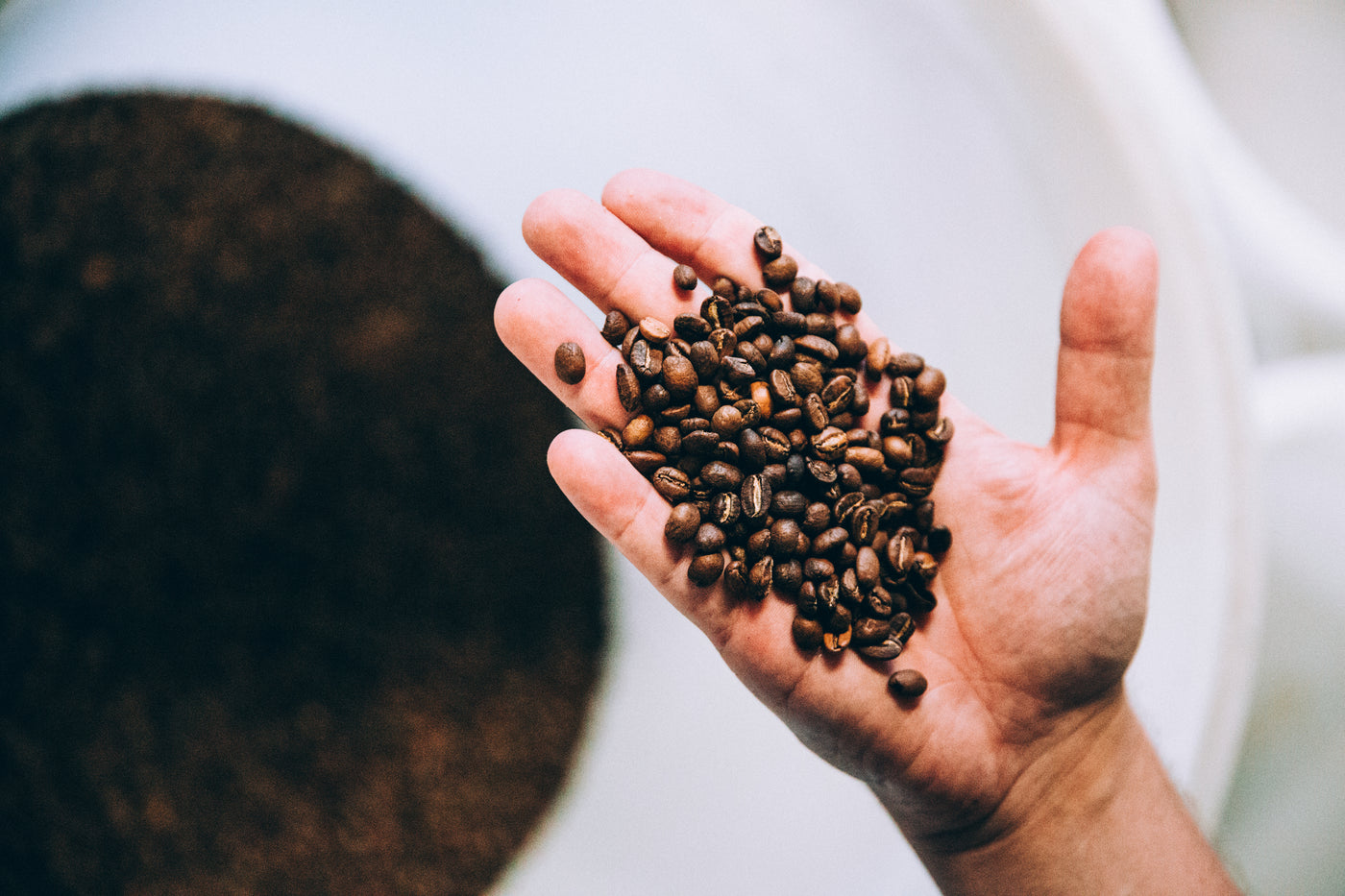
Coffee roasting is where the flavour really begins — and it's a craft you can learn. Whether you dream of roasting in-house for your café, launching your own roastery, or simply mastering the art at home, this guide walks through the practical steps to become a coffee roaster in Sydney, with a focus on the training that gets you there.
What does a coffee roaster actually do?
A coffee roaster takes raw green coffee beans and transforms them — through carefully controlled heat and time — into the aromatic roasted coffee you grind and brew. It's part craft, part science. A good roaster understands how origin and processing shape flavour, how to read the roast as it develops, and how to repeat a great result batch after batch.
The journey from green bean to finished cup runs through a few key stages:
Do you need a qualification to roast coffee?
No — there's no mandatory licence to roast coffee in Australia. But roasting is a genuinely technical skill, and the gap between "having a go" and producing consistent, sellable coffee is large. That's where hands-on training pays off: instead of wasting kilos of green beans learning by trial and error, you learn the fundamentals properly, on professional equipment, from experienced roasters.
The short version: roasting isn't licensed, but it's technical. Training gets you to consistent, quality results far faster — and is essential if you plan to roast commercially.
The skills every coffee roaster needs
Before you fire up a roaster, it helps to know what you're building toward. The core skills are:
- Green bean knowledge — how origin, variety and processing shape the cup, and how to select green coffee
- Heat & the roast curve — understanding charge temperature, heat transfer, first crack and development time
- Roast profiling — building and repeating profiles from light to dark
- Troubleshooting defects — spotting and correcting baking, scorching, tipping and uneven roasts
- Cupping & sensory — tasting your roasts objectively to refine them
- Blending & consistency — combining beans and roasting with batch-to-batch reliability
Step-by-step: becoming a coffee roaster in Sydney
-
Learn the fundamentals
Start with a hands-on roasting course where you roast on commercial equipment under expert guidance — not just a demo. You'll cover green-bean basics, the roast curve, roast levels and cupping.
-
Practise on real equipment
Roasting is a feel as much as a formula. Time on a professional roaster builds the instinct to read the beans and adjust on the fly.
-
Develop your palate through cupping
You can't improve what you can't taste. Structured cupping trains you to evaluate acidity, body, sweetness and defects objectively.
-
Build toward consistency and profiling
Once the basics click, focus on repeatable profiles and batch consistency — the difference between a hobbyist and a roaster who can supply a café.
-
Go commercial (if that's your goal)
To roast at scale, step up to advanced training covering production roasting, green selection and blending for a commercial environment.
Why training on commercial equipment matters
There's a big difference between a small home roaster and the commercial machines used in real roasteries. At Australian Training Academy — the training arm of Di Pacci Coffee Company in Roselands — you learn on professional Probat and Giesen roasters, the same industry-standard equipment found in roasteries across Australia. Learning on real gear means the skills you build transfer straight to a commercial setting, rather than having to relearn everything on bigger machines later.
Which coffee roasting course should you start with?
It depends on where you're starting from and where you want to go:
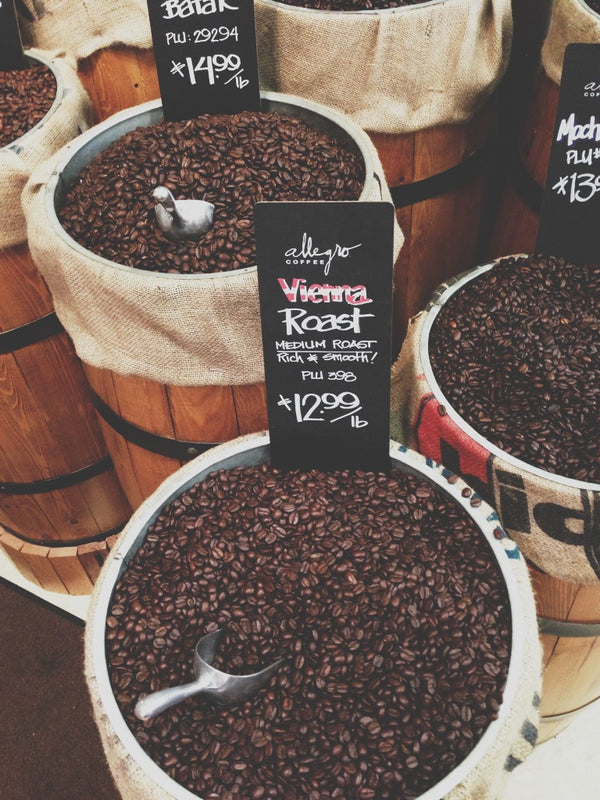
Coffee Roasting Fundamentals
Learn the foundations — heat, roast curves, roast levels, cupping and your first batches. Perfect for beginners or anyone planning to start roasting.
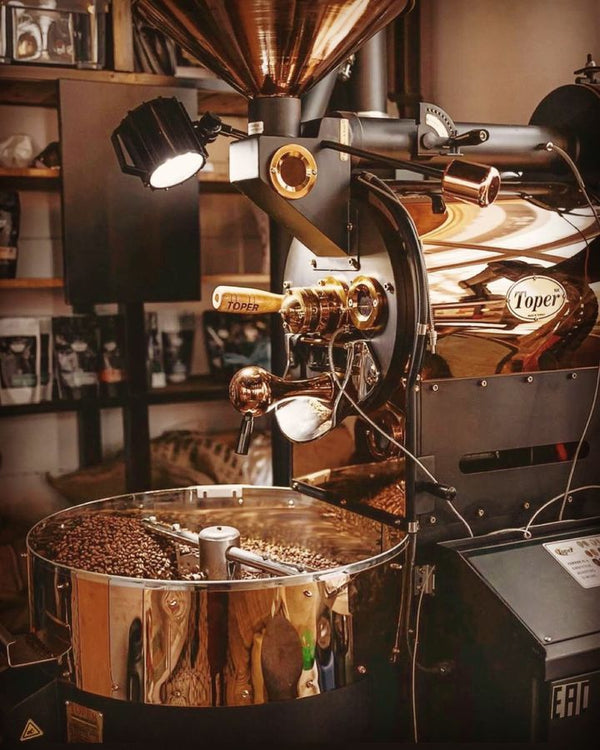
Advanced Coffee Roasting
Take it commercial — profiling, batch consistency, green selection and blending for production roasting at scale.
You can see both on our Coffee Roasting Courses page.
Can roasting become a career or business?
Yes. Some people roast in-house to give their café a signature house blend; others launch their own roastery and sell wholesale or direct to customers. Many start as home roasters and turn a passion into a side business or full-time venture. If a roasting business is your goal, a Food Safety Supervisor certificate is also worth having, since you'll be handling food for sale — you can complete that through our Food Safety course.
Start roasting in Sydney
Learn to roast on professional Probat and Giesen machines at the Di Pacci academy in Roselands — from your first batch to commercial profiling.
Frequently asked questions
Do I need experience to learn coffee roasting?
No. The Fundamentals course is designed for complete beginners — you learn the craft from the ground up on real equipment.
What equipment will I learn on?
You'll roast on professional Probat and Giesen machines — the industry-standard commercial roasters used in real roasteries.
Can I learn roasting to start a business?
Yes. Many students learn to roast in-house for their café or to launch their own roastery. The Advanced course focuses on commercial-scale skills.
Where are the roasting courses held?
At the Di Pacci academy, 97–99 Chapel St, Roselands NSW. Call (02) 9758 0760 for upcoming dates.
What's the difference between the Fundamentals and Advanced courses?
Fundamentals covers the core craft for beginners. The Advanced course focuses on commercial roasting — profiling, consistency and blending at scale.
This guide is general information only and current as at 2026. Australian Training Academy (Di Pacci Coffee Company) is RTO 45805, located at 97–99 Chapel St, Roselands NSW.