How to Become a Barista in Sydney: The Training Pathway
Sydney runs on coffee — and behind every great café is a skilled barista. The good news: you don't need a degree or years of study to start. This guide walks through the practical steps to become a barista in Sydney, focusing on the training and skills that actually get you hired faster.
Do you need a qualification to be a barista?
No — there's no mandatory licence to work as a barista in Australia. You can technically start with on-the-job training. But here's the reality of Sydney's competitive café scene: employers strongly favour people who can already operate the machine, pour a clean shot and texture milk from day one.
That's why short, hands-on barista training is so valuable. It's not about a piece of paper — it's about walking into a trial shift confident, capable, and ready to work, instead of learning under pressure while a queue builds.
The short version: training isn't legally required, but in Sydney it's the fastest way to stand out, get hired, and skip the stressful "learning on the job" phase.
The skills Sydney cafés actually want
Before you apply, it helps to know what café owners look for. These are the core skills that make you employable:
- Espresso extraction — dialling in the grind and pulling a consistent, balanced shot
- Milk texturing — steaming silky microfoam for flat whites, lattes and cappuccinos
- Speed and consistency — making the same quality drink, quickly, during a rush
- Machine care — backflushing, cleaning group heads, purging the steam wand, basic grinder calibration
- Customer service — taking orders, handling payments and keeping regulars happy
- Latte art — not essential everywhere, but highly valued in Sydney's specialty cafés
Step-by-step: becoming a barista in Sydney
-
Learn the fundamentals
Start with a hands-on barista course where you train on real commercial machines — not a home setup. You'll learn extraction, milk texturing and machine operation in a low-pressure environment.
-
Consider a Food Safety certificate
Many café roles involve handling food, so a Food Safety Supervisor certificate can make your résumé stronger and open more roles.
-
Practise until it's second nature
Speed and consistency come with repetition. The more comfortable you are on the machine, the better you'll perform in a trial shift.
-
Build a simple résumé
List your training, any hospitality or customer-service experience, and your availability. A barista certificate signals you're serious and job-ready.
-
Apply widely and nail the trial shift
Most Sydney cafés run a paid or unpaid trial. Show up early, stay calm, keep your station clean, and ask questions — attitude matters as much as skill.
-
Keep levelling up
Once you're working, add advanced skills like latte art to move toward specialty cafés and higher-paying venues.
How long does it take to become a barista?
This is the question most people starting out want answered, and the honest answer is: faster than you'd think. You can learn the core skills in a single hands-on session — extraction, milk texturing and machine operation are all teachable in a few focused hours on a real machine.
Becoming genuinely fast and consistent, though, is the part that takes practice. Most new baristas find their rhythm over the first few weeks on the job, as they build muscle memory for dialling in the grinder, steaming milk to the right texture, and keeping up during a rush. The training gets you job-ready; the speed comes with reps. That's exactly why employers value candidates who've already done a course — you arrive with the fundamentals locked in, so you're improving from a higher starting point on day one.
What to expect in your first café trial shift
Most Sydney cafés hire after a trial shift — usually a few hours where you work the machine alongside the team. Knowing what's coming takes the pressure off:
- You'll be on the machine quickly. Expect to pull shots and steam milk early — this is where prior training really pays off.
- Speed and cleanliness are watched closely. Keep your station tidy, wipe down as you go, and stay calm when orders stack up.
- Attitude matters as much as skill. Café owners hire people they want on the team — be friendly, ask questions, and show you're keen to learn their way of doing things.
- Every café is slightly different. Each venue has its own beans, grinder settings and menu, so expect to adapt rather than do everything exactly how you learned it.
Which barista course should you start with?
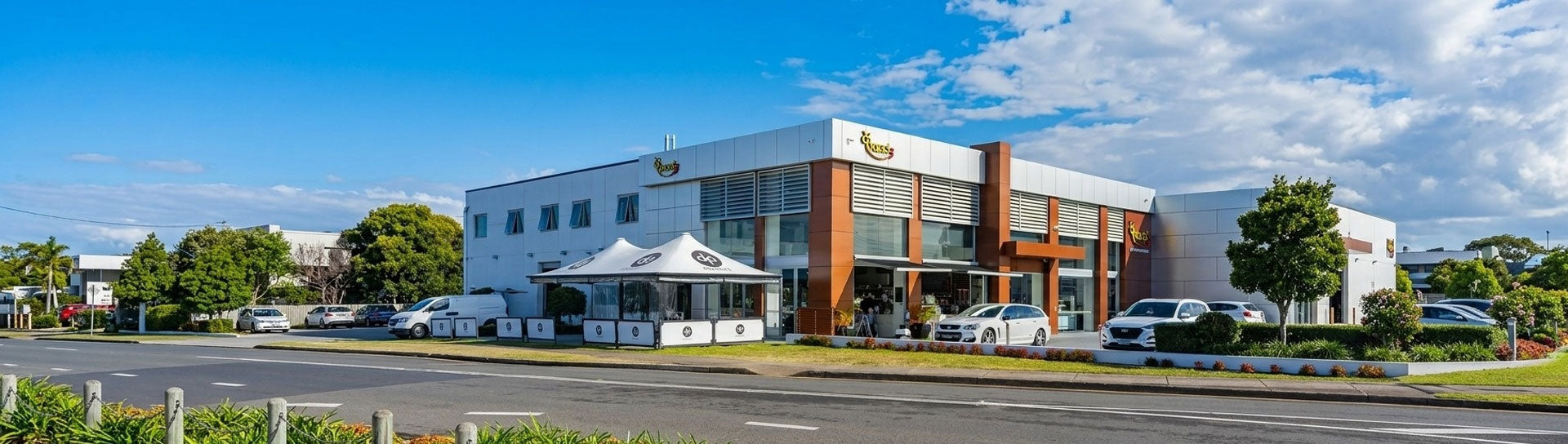
At Australian Training Academy — the training arm of Di Pacci Coffee Company in Roselands — you train on professional café equipment, the same gear you'll use on the job. Here's where to start depending on your goals:
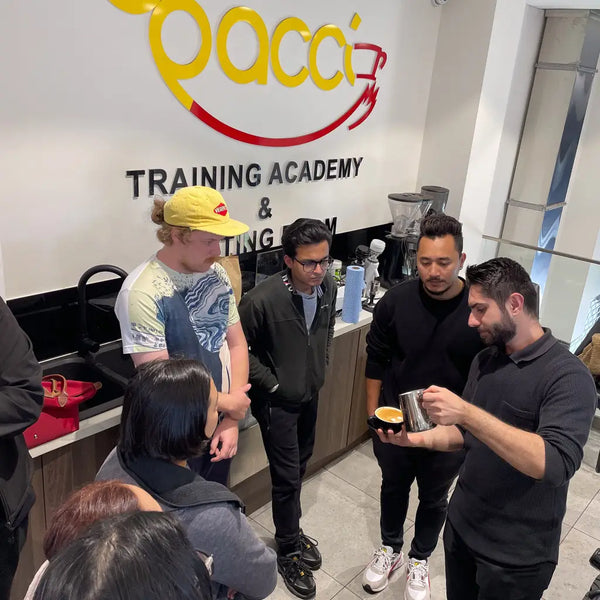
Barista Group Class
A hands-on group session covering the core barista skills — a great, affordable first step.
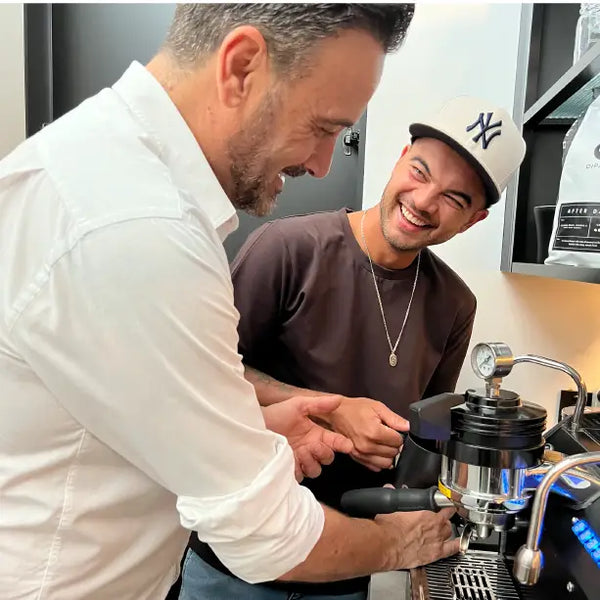
1-on-1 Barista Training
One-on-one coaching tailored to your pace and goals — ideal if you want focused attention.
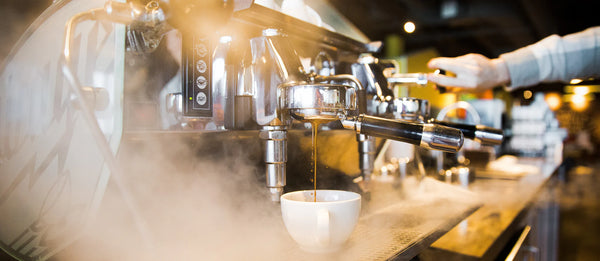
Prepare & Serve Espresso
A nationally recognised course covering the full café skill set, with hands-on training at Roselands.
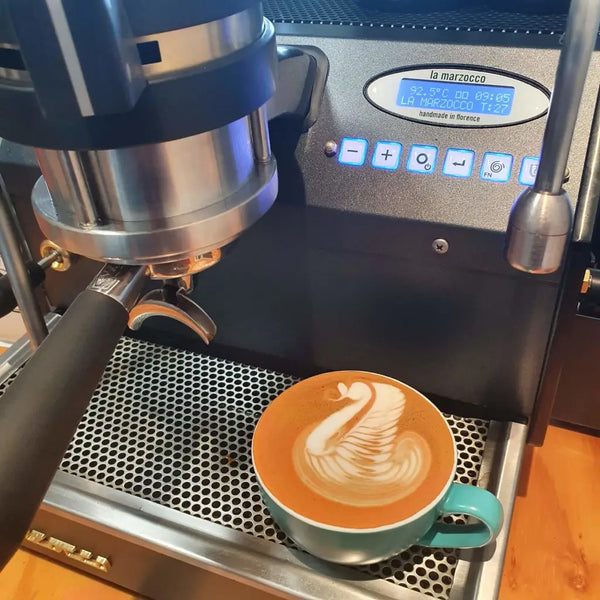
Barista Latte Art
Advance your pouring and presentation to stand out in Sydney's specialty café scene.
Group class or 1-on-1: which is right for you?
If you're starting from scratch and want an affordable, social introduction, the Group Class is the natural first step — you'll cover the core skills in a hands-on setting. If you'd prefer focused attention, want to move at your own pace, or have specific goals (like prepping for a particular café job), 1-on-1 training gives you dedicated coaching. Many people start with the group class and add 1-on-1 sessions later to sharpen specific skills like latte art.
What about pay and career prospects?
Barista wages in Sydney vary with experience, venue and penalty rates for weekends, public holidays and early starts. Most baristas are employed casually, which means a higher base hourly rate (with casual loading) but no paid leave. Minimum pay rates for hospitality roles are set by industry awards — typically the Hospitality Industry (General) Award or the Restaurant Industry Award — so it's worth checking the current rate for your age and classification on the Fair Work Ombudsman website.
Entry-level casual work is a common starting point, and skilled baristas can progress to head barista or café management roles — or eventually open their own café. Adding skills like latte art and gaining experience at busier, specialty venues is the usual path to higher pay.
For a fuller breakdown of Sydney barista salaries, hours and career progression, our parent company Di Pacci has a detailed guide: Become a Barista in Sydney 2026 Guide.
Start your barista journey in Sydney
Train on real commercial machines at the Di Pacci academy in Roselands and walk into your first café shift ready to work.
Frequently asked questions
Do I need experience to do a barista course?
No. Beginner barista courses are designed for people with zero experience — you'll learn everything from scratch on real equipment.
How long does it take to become a barista?
You can learn the core skills in a single hands-on session. Becoming fast and consistent takes practice on the job, usually over a few weeks to months.
Is barista training worth it?
In a competitive market like Sydney, training helps you get hired faster and perform better in trial shifts — it often pays for itself quickly.
Where can I train as a barista in Sydney?
Australian Training Academy runs hands-on barista classes at the Di Pacci academy, 97–99 Chapel St, Roselands NSW.
Do I need a Food Safety certificate to be a barista?
Not always, but many café roles involve handling food, so a Food Safety Supervisor certificate can strengthen your résumé and open more roles.
What's the difference between a group class and 1-on-1 training?
A group class is an affordable, social introduction to the core skills. 1-on-1 training gives you focused, personalised coaching at your own pace — ideal if you have specific goals.
This guide is general information only and current as at 2026. Wage figures and employment conditions vary — always check current awards and the individual employer. Australian Training Academy (Di Pacci Coffee Company) is RTO 45805.